
Key Takeaways
-
Schedule a free orthodontic evaluation by age 7 to catch developing issues early; most kids begin active treatment between ages 9-14 during the ideal window of 8-14 years.
-
Metal braces are the most effective and affordable option for kids of all cases, while clear aligners work best for older teens with mild-moderate issues requiring 20-22 hours daily wear.
-
Watch for signs like crowded teeth, gaps, overbite/underbite, crossbite, mouth breathing, chewing difficulty, or prolonged thumb-sucking—early detection prevents complex problems later.
-
Phase 1 early interceptive treatment (ages 6-10) guides jaw growth and creates space for permanent teeth, potentially reducing or eliminating need for complex treatment later.
-
Braces typically take 1-3 years depending on case complexity; straight teeth improve oral health, chewing function, and boost self-esteem while preventing expensive adult treatments.
-
Prepare your child by discussing braces positively, explaining soreness is normal, stocking soft foods, and investing in proper oral hygiene tools like orthodontic toothbrushes and floss threaders.
As a parent, you want the best for your child — and that includes a healthy, confident smile. If you’ve been wondering whether your child needs braces, you’re not alone. Millions of families ask this question every year. The good news? Getting braces for kids is easier, more comfortable, and more effective than ever before. Whether your child has crowded teeth, a bite issue, or uneven spacing, early orthodontic care can make a huge difference. This guide covers everything you need to know — from the right age to start, to the types of braces available, and what to expect along the way. Let’s dive in and help your child smile with confidence!
When Should Kids Get Braces?
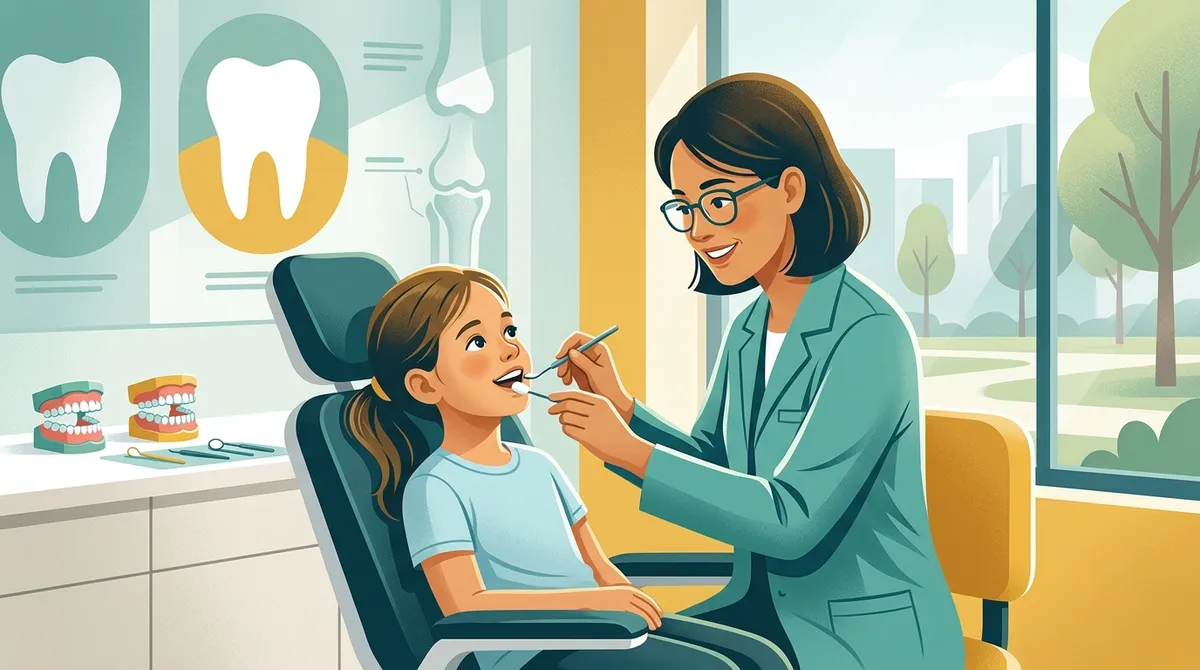
Timing is everything when it comes to kids’ orthodontic care. The American Association of Orthodontists recommends that children have their first orthodontic evaluation by age 7. Don’t worry — that doesn’t mean your child will get braces right away. It simply means an orthodontist can spot developing issues early.
Most children begin active orthodontic treatment between ages 9 and 14. This is when they have a healthy mix of baby and permanent teeth. It’s also the prime time to guide jaw growth and tooth alignment. The ideal treatment window is generally between 8 and 14 years of age.
Want to learn more about early orthodontic treatment and why timing matters? Starting at the right time can prevent more complex problems later on.
Signs Your Child May Need Braces
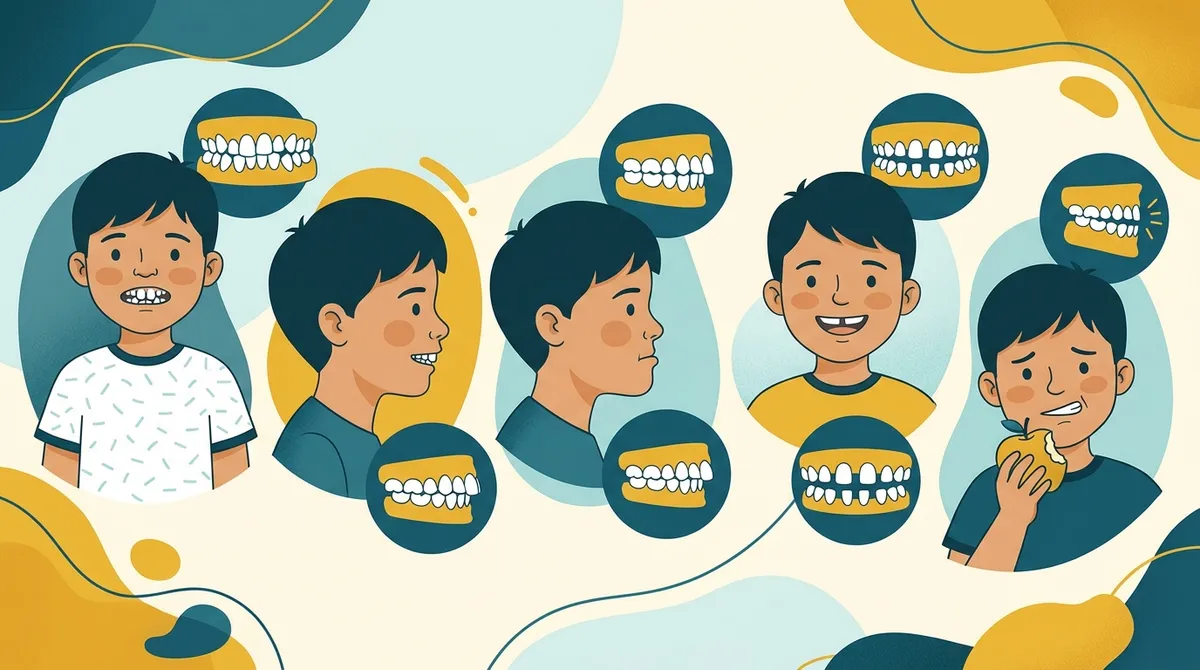
Not sure if your child needs braces? Here are some common signs to watch for:
- Crowded or overlapping teeth — teeth that don’t have enough room to come in properly
- Gaps or spacing — extra space between teeth that doesn’t close on its own
- Overbite or underbite — upper or lower teeth that stick out too far
- Crossbite — upper teeth that sit behind lower teeth when biting
- Mouth breathing or jaw shifting — signs of potential jaw development issues
- Difficulty chewing or biting — discomfort when eating certain foods
- Thumb-sucking beyond age 5 — habits that can affect tooth and jaw alignment
If you notice any of these signs, it’s a great idea to schedule a consultation. You can book your child’s first orthodontic appointment easily and get a professional opinion right away.
Types of Braces Available for Children
One of the most common questions parents ask is: “What type of braces should my child get?” The answer depends on your child’s specific needs, lifestyle, and budget. Let’s look at the most popular options.
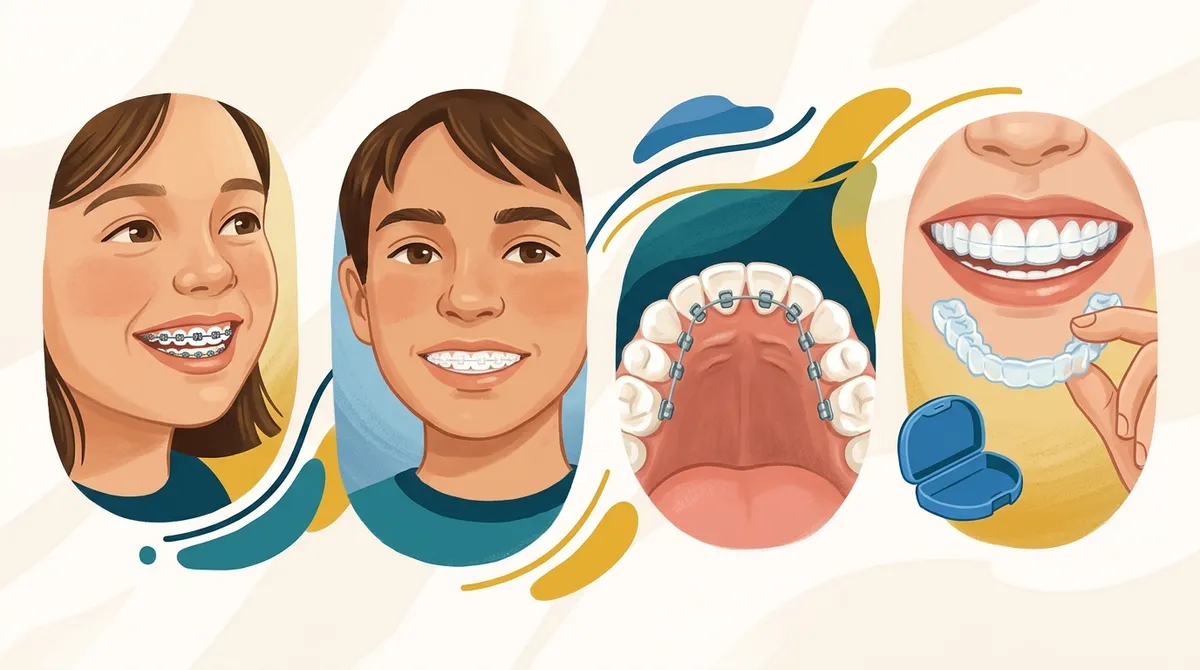
Traditional Metal Braces
Metal braces are the most common type for kids — and for good reason. They’re highly effective, very durable, and typically the most affordable option. Metal braces work well for even complex orthodontic cases. Kids can even choose colored bands to make their braces fun and personalized!
Ceramic (Clear) Braces
Ceramic braces work just like metal braces but blend in with the natural color of teeth. They’re a popular choice for kids who want a more subtle look. They do require a little extra care with cleaning, and they tend to cost slightly more than metal braces.
Clear Aligners for Teens
For older kids and teens, clear aligners can be a great option. These are removable trays that gradually shift teeth into place. They’re nearly invisible and easy to clean. However, they work best for mild to moderate cases and require discipline to wear 20-22 hours per day.
Curious about how these options compare? Explore all types of braces to find the right fit for your child.
Braces Options Comparison Table
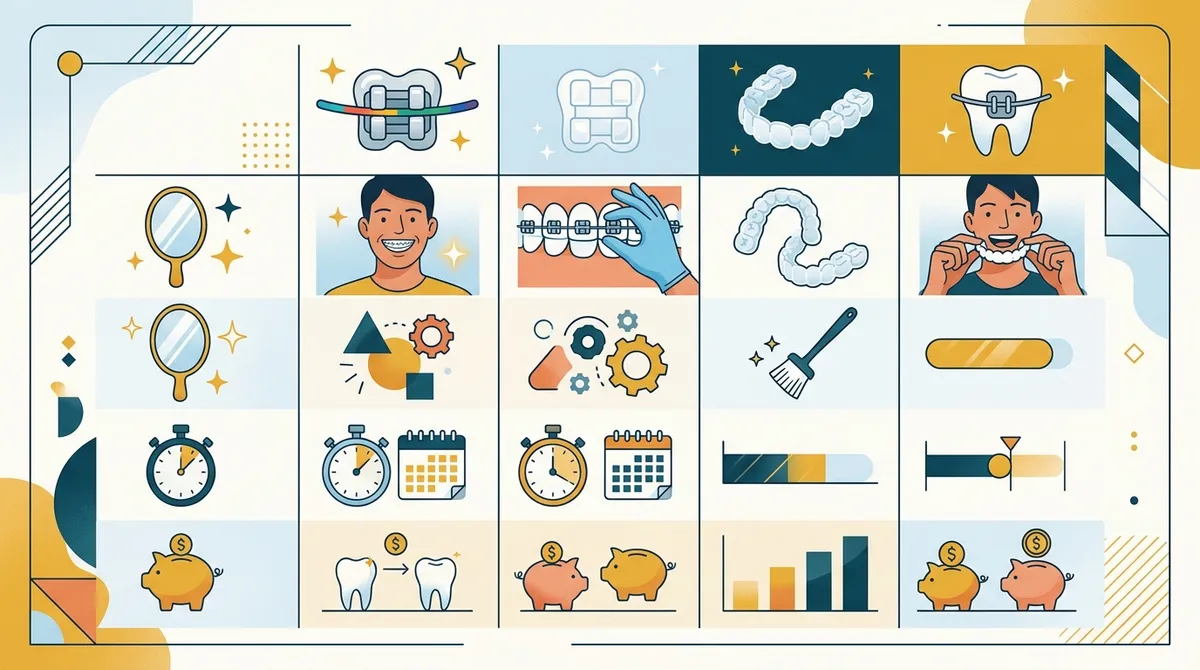
| Type of Braces | Visibility | Best For | Durability | Cost Range |
|---|---|---|---|---|
| Metal Braces | Visible | All cases, including complex | Very High | Most Affordable |
| Ceramic Braces | Low visibility | Mild to moderate cases | High | Moderate |
| Clear Aligners | Nearly invisible | Mild to moderate cases (teens) | Moderate | Moderate to High |
What Is Phase 1 (Early Interceptive) Treatment?
You might hear the term “Phase 1 treatment” at your child’s first orthodontic visit. This is also called interceptive orthodontics. It happens between ages 6 and 10, before all the permanent teeth come in.
Phase 1 treatment uses simple appliances to guide jaw growth and make space for incoming permanent teeth. The goal is to prevent more serious problems down the road. Not every child needs Phase 1 treatment — but for those who do, it can reduce or even eliminate the need for more complex treatment later.
Phase 1 is typically followed by Phase 2, which involves traditional braces or aligners once most permanent teeth have come in. Learn more about what to expect during your child’s first orthodontic visit.
Phase 1 vs. Phase 2 Treatment Overview
| Feature | Phase 1 (Early Treatment) | Phase 2 (Active Treatment) |
|---|---|---|
| Age Range | 6–10 years old | 11–14+ years old |
| Teeth Present | Mix of baby and permanent teeth | Mostly permanent teeth |
| Goal | Guide jaw growth, create space | Align teeth into final positions |
| Appliances Used | Expanders, partial braces | Full braces or aligners |
| Duration | 6–12 months | 12–24 months |
How Long Do Braces Take for Kids?
Every child’s orthodontic journey is a little different. Treatment duration typically ranges from one to three years, depending on the severity of the issue and the type of braces used. More complex cases take longer, while mild alignment issues may be resolved sooner.
Here’s a general timeline to keep in mind:
- Initial evaluation — the orthodontist assesses your child’s teeth, jaw, and bite (usually free!)
- Treatment planning — X-rays, photos, and impressions help create a customized plan
- Braces placement — braces are placed and the active treatment phase begins
- Regular adjustments — visits every 6–8 weeks to tighten and monitor progress
- Braces removal — once teeth are in position, braces come off
- Retainer phase — your child wears a retainer to maintain their new smile
Retainers are a crucial part of keeping teeth in their new position. Learn all about orthodontic retainers and how they protect your child’s results long-term.
Benefits of Braces for Kids
Braces do so much more than create a beautiful smile. Here’s why investing in your child’s orthodontic care is one of the best decisions you can make:
- Improved oral health — straight teeth are easier to brush and floss, reducing cavity and gum disease risk
- Better bite function — proper alignment makes chewing and speaking more comfortable
- Boosted self-esteem — a confident smile can have a powerful impact on your child’s social and emotional well-being
- Prevention of future issues — addressing problems early prevents expensive and complex treatments as an adult
- Jaw development support — guiding growth during key years leads to better long-term results
Want to see real results? Check out our before and after gallery to see the smile transformations we’ve helped create for kids and families just like yours.
How to Prepare Your Child for Braces
A little preparation goes a long way in making the braces journey smooth and stress-free. Here’s how to set your child up for success:
- Talk positively about braces — frame it as an exciting step toward a great smile, not something scary
- Explain what to expect — let your child know there may be some soreness after adjustments, and that it’s totally normal
- Stock up on soft foods — yogurt, mashed potatoes, and smoothies are great for the first few days
- Invest in good oral hygiene tools — an orthodontic toothbrush, floss threaders, and water flosser make cleaning easier
At Torres Orthodontics, our friendly team makes kids feel right at home from day one. Dr. Rodney Torres and his staff are known for their warm, caring approach — making every visit a positive experience for your child.
Understanding the Cost of Braces for Kids
Cost is often a top concern for families. The price of braces varies based on the type of braces, treatment duration, and case complexity. The good news is that there are many ways to make orthodontic care affordable.
| Factor | Impact on Cost |
|---|---|
| Type of braces (metal vs. ceramic) | Metal braces are typically the most affordable |
| Treatment duration | Longer treatment = higher overall cost |
| Case complexity | More complex cases require more work and time |
| Insurance coverage | Many dental plans cover a portion of orthodontic costs |
| Flexible payment plans | Monthly payment options can make treatment very accessible |
Torres Orthodontics offers flexible insurance and financing options to help families in Miami Lakes, Tampa, and Boca Raton get the care they need without financial stress. You can also read a detailed breakdown in our blog post on how much braces cost.
Why Choose Torres Orthodontics for Your Child
Finding the right orthodontist for your child is a big decision. At Torres Orthodontics, families across Tampa, Miami Lakes, and Boca Raton trust Dr. Rodney Torres for personalized, expert orthodontic care. Our practice uses advanced technology for precise treatment planning and comfortable results.
We offer free initial smile exams, so there’s no barrier to getting started. Our team specializes in adolescent treatment and early orthodontic care, giving your child the best foundation for a lifetime of healthy smiles. Follow us on Facebook and Instagram to see our team in action and hear from happy families in our community.
If you’re in the Miami Lakes area, we’d love to meet you! Visit us on Google — Torres Orthodontics Miami Lakes to read reviews from local families and get directions to our office.
Want to explore more about what we offer? Visit our common treatments page and see the full range of orthodontic services available for your child. You can also watch patient stories and smile transformations on our YouTube channel for a closer look at what makes Torres Orthodontics special.
Conclusion: Give Your Child the Gift of a Great Smile
Braces for kids are one of the most impactful investments you can make in your child’s health and confidence. Starting treatment at the right time, choosing the right type of braces, and working with a trusted orthodontist can make all the difference. Whether your child needs early interceptive treatment or full braces in their teen years, the path to a beautiful smile starts with a single step.
Ready to find out if your child needs braces? Don’t wait — early evaluation leads to better outcomes. Schedule your child’s free orthodontic consultation at Torres Orthodontics today and take the first step toward their best smile!
FAQs
Q: At what age should my child have their first orthodontic evaluation?
A: The American Association of Orthodontists recommends that children have their first orthodontic evaluation by age 7. Don’t worry — this doesn’t mean braces right away! It just gives the orthodontist a chance to spot any developing issues early and plan the best course of action.
Q: What are the signs that my child may need braces?
A: Some common signs include crowded or overlapping teeth, gaps between teeth, an overbite or underbite, crossbite, difficulty chewing, or prolonged thumb-sucking. If you notice any of these, it’s a great idea to schedule a free consultation with an orthodontist to get a professional opinion.
Q: How long will my child need to wear braces?
A: Treatment time varies depending on the complexity of your child’s case and the type of braces used. On average, kids wear braces for one to three years. After braces come off, your child will wear a retainer to keep their new smile looking its best!
Q: What is Phase 1 orthodontic treatment and does my child need it?
A: Phase 1, or early interceptive treatment, is orthodontic care given between ages 6 and 10 to guide jaw growth and make room for permanent teeth. Not every child needs Phase 1 — but for those who do, it can prevent more serious problems and may reduce the length of later treatment.
Q: Are metal braces or clear aligners better for kids?
A: Metal braces are typically the most effective and affordable choice for kids, especially for complex cases. Clear aligners can be a great option for older kids and teens with mild to moderate issues, but they require the discipline to wear them 20-22 hours per day. Your orthodontist will recommend the best option based on your child’s specific needs.